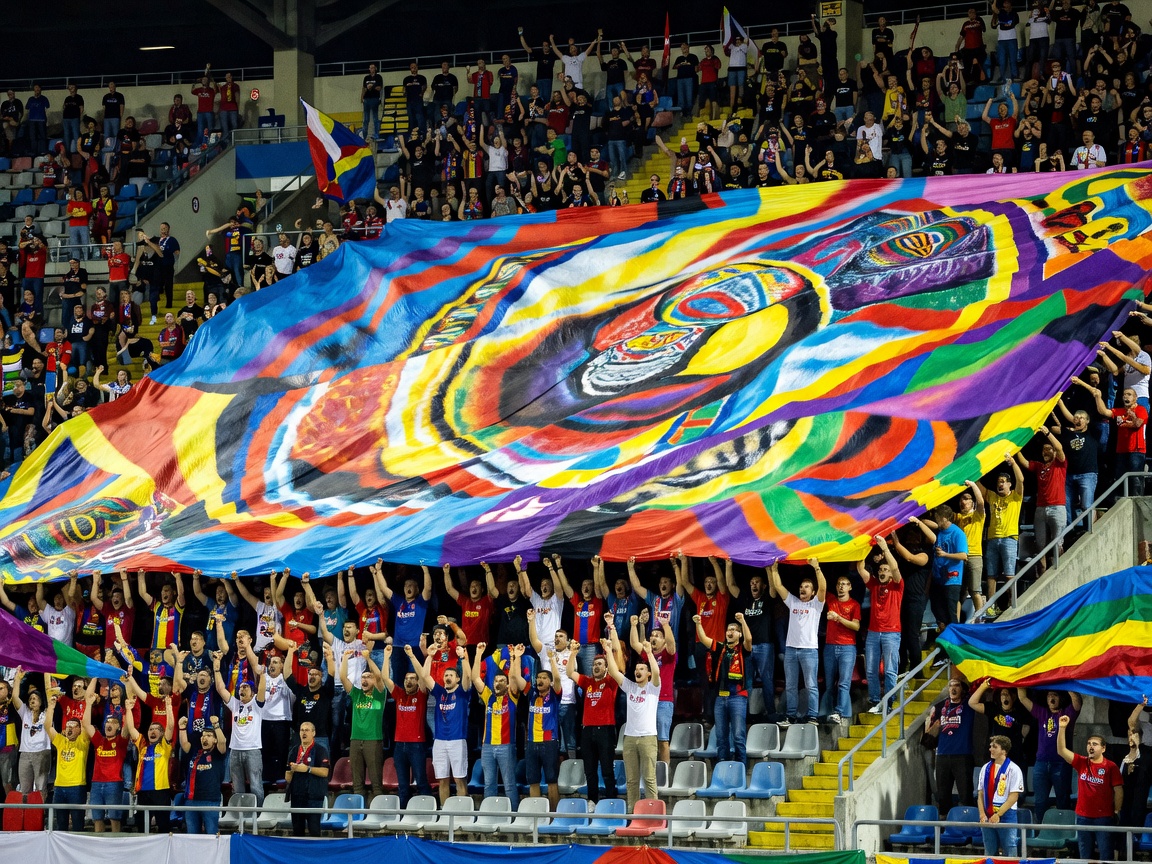
The Evolution of Parisian Supporter Movements
Supporter culture in Paris possesses a complex and distinct sociopolitical heritage. During the late 1970s and 1980s, the Kop of Boulogne (KOB) emerged in the south stand of Parc des Princes, modeled closely after English terrace traditions, vocal choruses, and assertive subcultures. By the early 1990s, the club management sought to establish a counter-balance in the northern stand, fostering the growth of the Virage Auteuil.
The Virage Auteuil adopted an Italian and Mediterranean Ultra style: choreographed choreographies (tifos), megaphones, continuous percussion, waving flags, and multi-ethnic representation mirroring the metropolitan diversity of greater Paris. For years, the dynamic between Boulogne and Auteuil defined Parc des Princes matchdays with intense acoustic battles between opposite ends of the pitch.
The Leproux Plan & The Return of the Ultras
Following serious fan unrest and tragic incidents in 2010, club president Robin Leproux instituted the controversial "Plan Leproux." The policy dissolved recognized fan groups, imposed randomized seat allocation, and prohibited organized flags and megaphones. While the initiative dramatically pacified the stadium atmosphere, the loss of vocal identity led to years of quiet stands.
In 2016, following extensive dialogue between club authorities, the Paris Police Prefecture, and fan representatives, the Collectif Ultras Paris (CUP) was officially permitted to return to the Virage Auteuil. Under strict guidelines of non-violence and organized stewardship, the CUP restored the energetic core of Parc des Princes, producing some of Europe’s most revered choreographies during international tournaments.
Iconic Chants and Stadium Rituals
Attending a match in Paris introduces visitors to a distinct set of anthems and call-and-response traditions:
- "Ô Ville Lumière": Sung to the melody of the traditional anthem "Flower of Scotland", this is the most emotional terrace anthem, celebrated before kickoff as supporters hold scarves overhead.
- "Paris est Magique": The primary rallying cry shouted throughout the stadium whenever the team pushes forward in offensive transitions.
- Auteuil / Paris Call-and-Response: The capo in Virage Auteuil leads a thunderous chant across the stadium bowl, echoing "PARIS!" to which the opposite Tribune Boulogne or Tribune Paris roars back "PARIS!".
Top Football & Sports Pubs Across Paris
Whether you possess a match ticket or seek a spirited gathering spot in the city center to watch major Ligue 1 or European fixtures, these venues represent dependable sports culture hubs:
| Venue Name | Arrondissement / Area | Crowd & Vibe | Key Features |
|---|---|---|---|
| The Moose | 6th Arr. (Odéon) | Expat & sports enthusiasts | Multiple large screens, craft beers, Canadian poutine, high-energy atmosphere. |
| Belushi’s Canal | 19th Arr. (Bassin de la Villette) | International youth & backpackers | Waterfront terrace, massive projector screens, bustling game nights. |
| Les Trois Obus | 16th Arr. (Porte de Saint-Cloud) | Local PSG matchday regulars | Directly facing the stadium; prime pre-match immersion with die-hard locals. |
| The Long Hop | 5th Arr. (Latin Quarter) | Football and rugby purists | Traditional British pub decor, extensive draft selection, passionate viewing. |
Respectful Stadium Etiquette for International Visitors
When attending games as an international visitor, being mindful of local fan conventions ensures an enjoyable experience. Do not wear visiting team jerseys or insignia outside designated away sectors. If seated in or directly adjacent to Virage Auteuil, expect spectators to remain standing for the entire 90 minutes. Filming continuously on smartphones in the ultra core is discouraged by capos who prioritize vocal engagement over social media documentation.